The Ancient Manuscript that Was Never Deciphered...
The Voynich manuscript is one of the biggest riddles in the entire world, and has remained unsolved for centuries.
But what is truly amazing about this manuscript is its content.
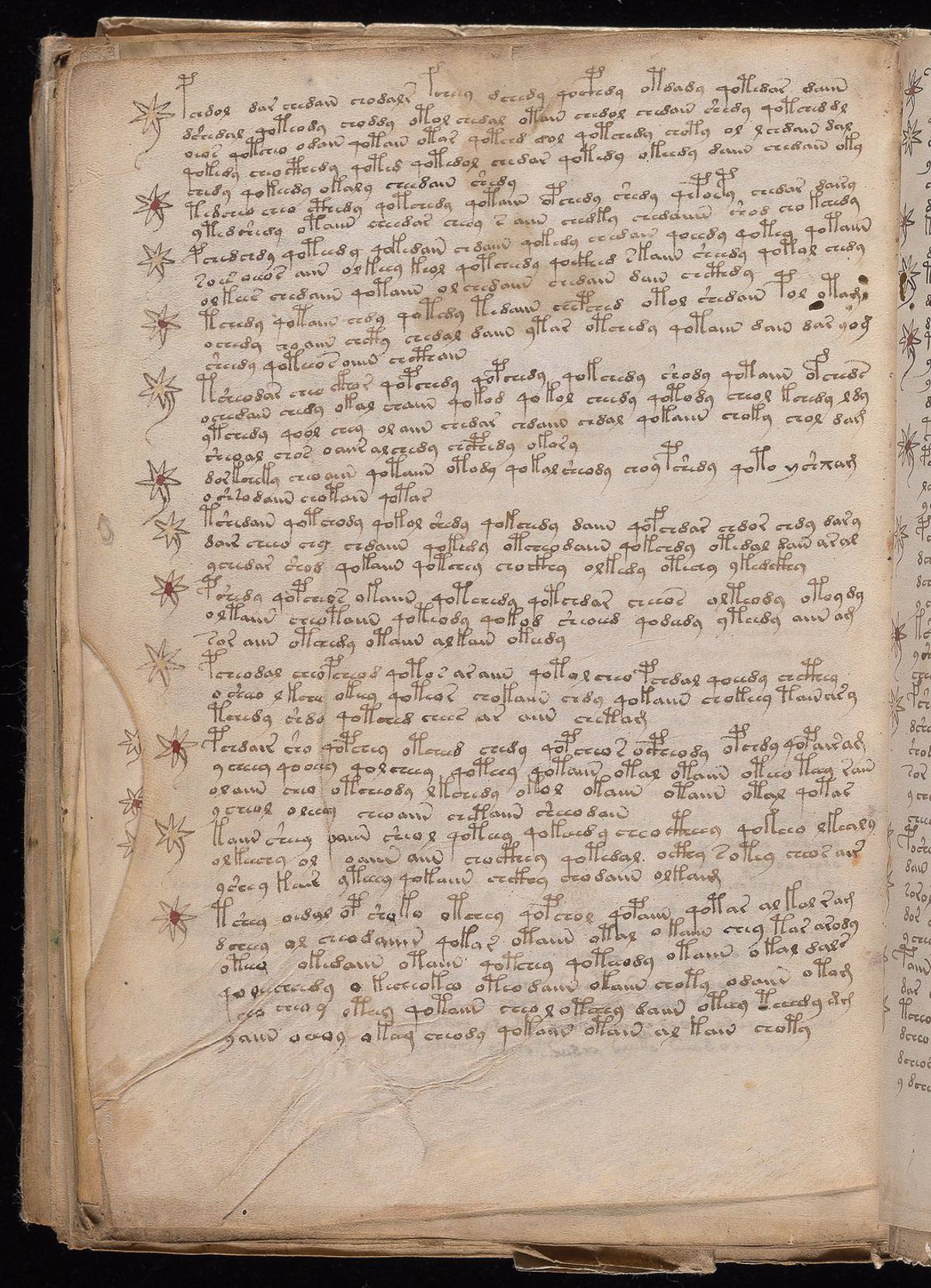
It is written in a script indecipherable by any
living soul, despite basically using the Latin alphabet. It also
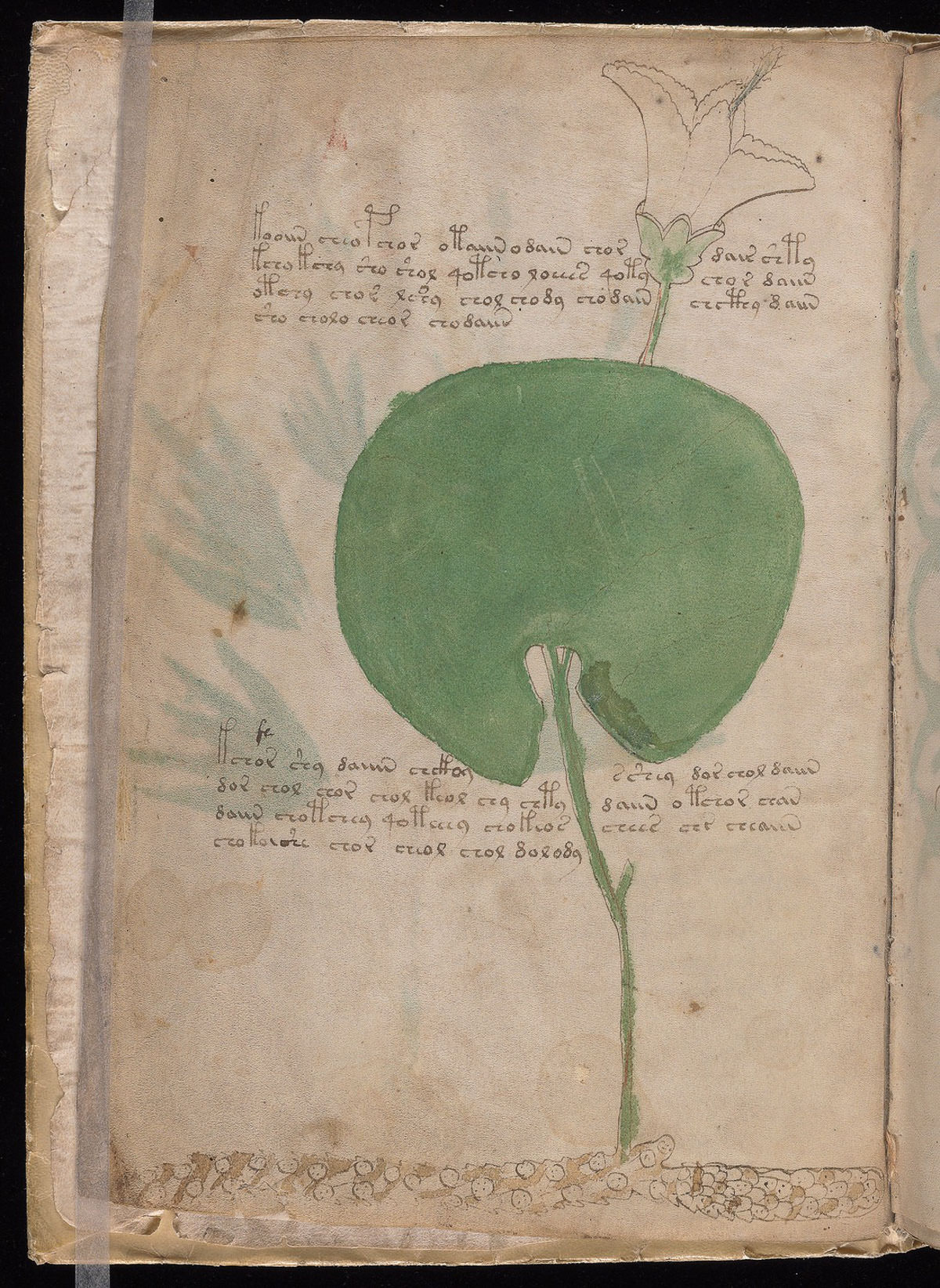
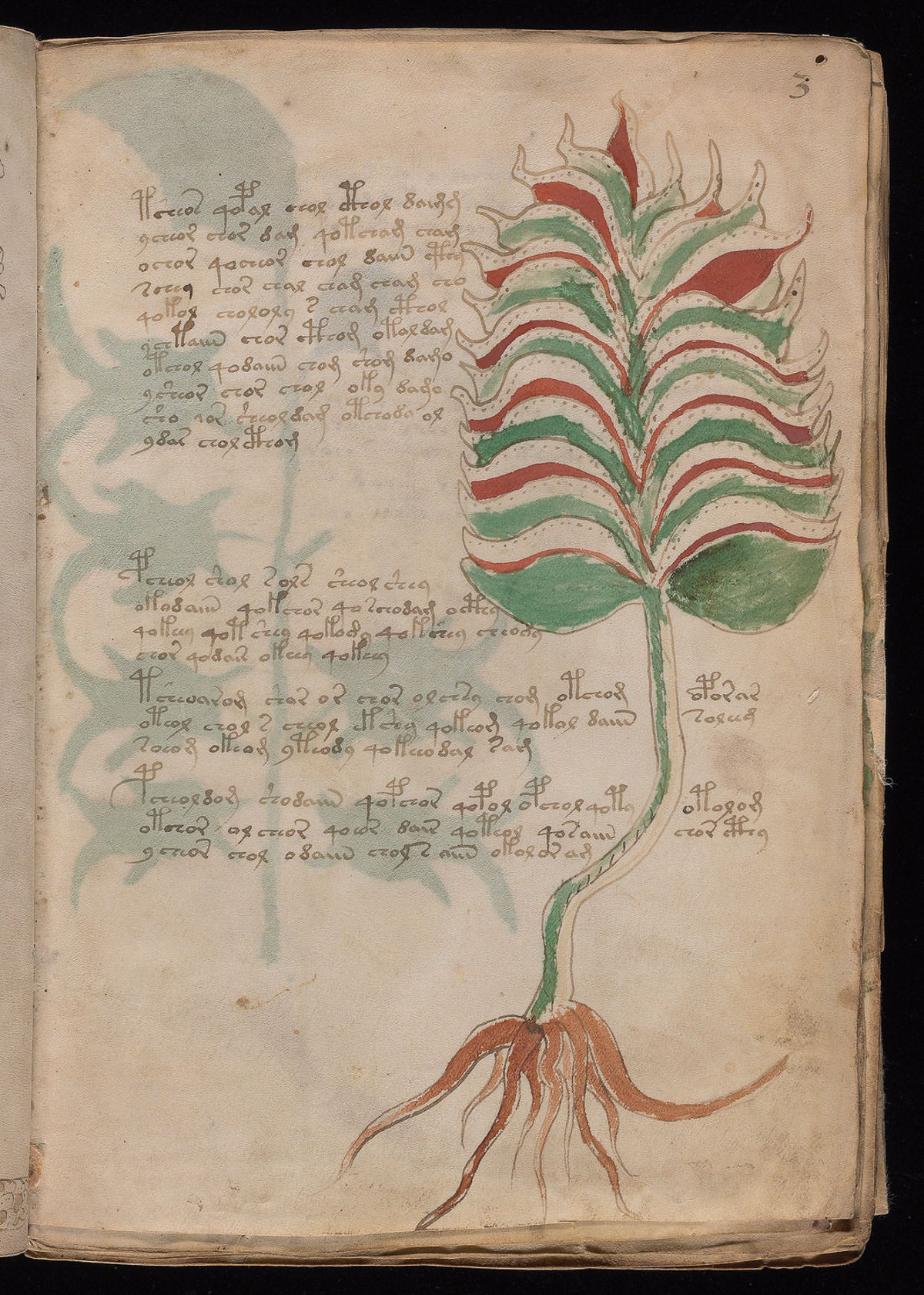
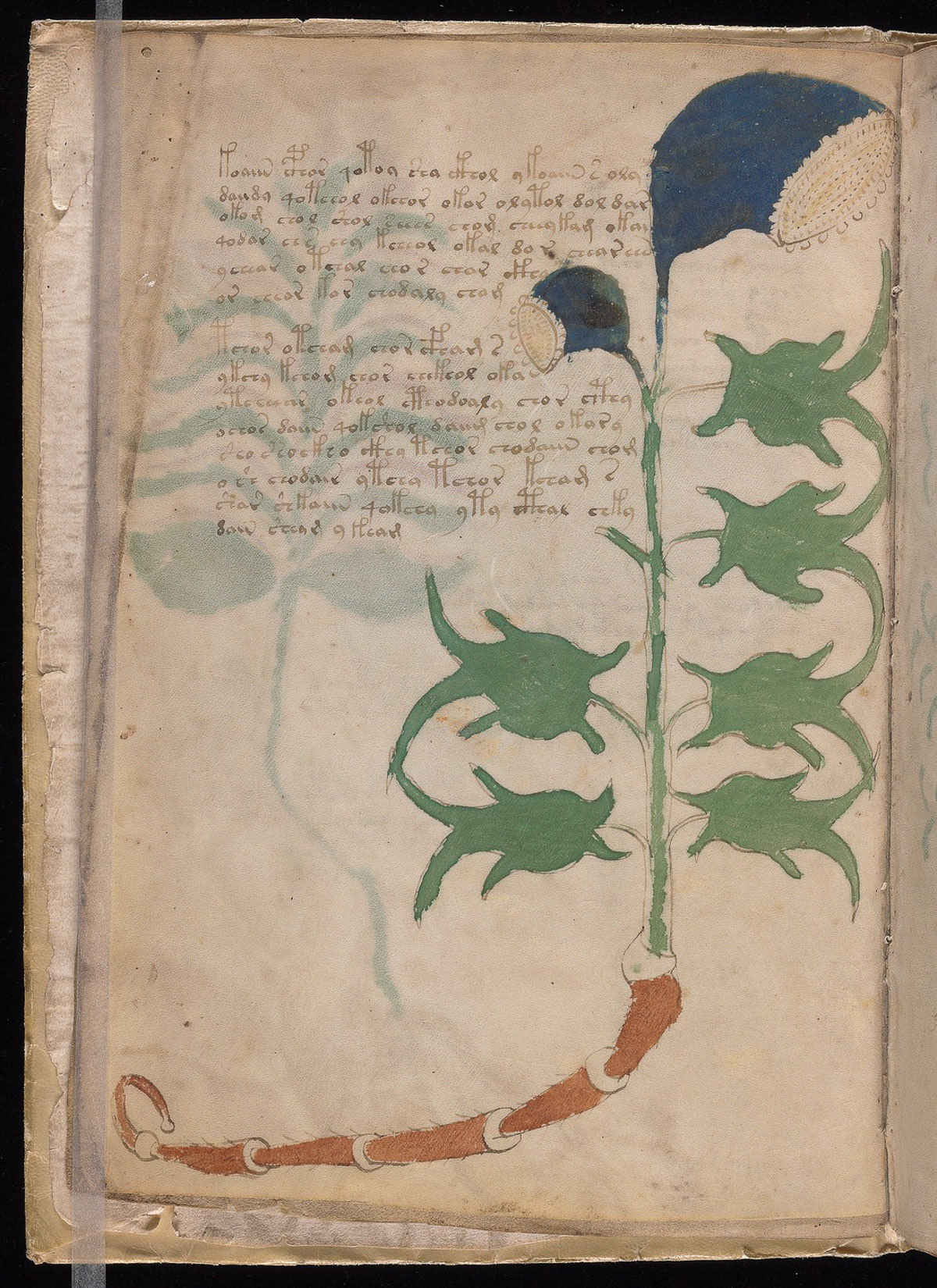
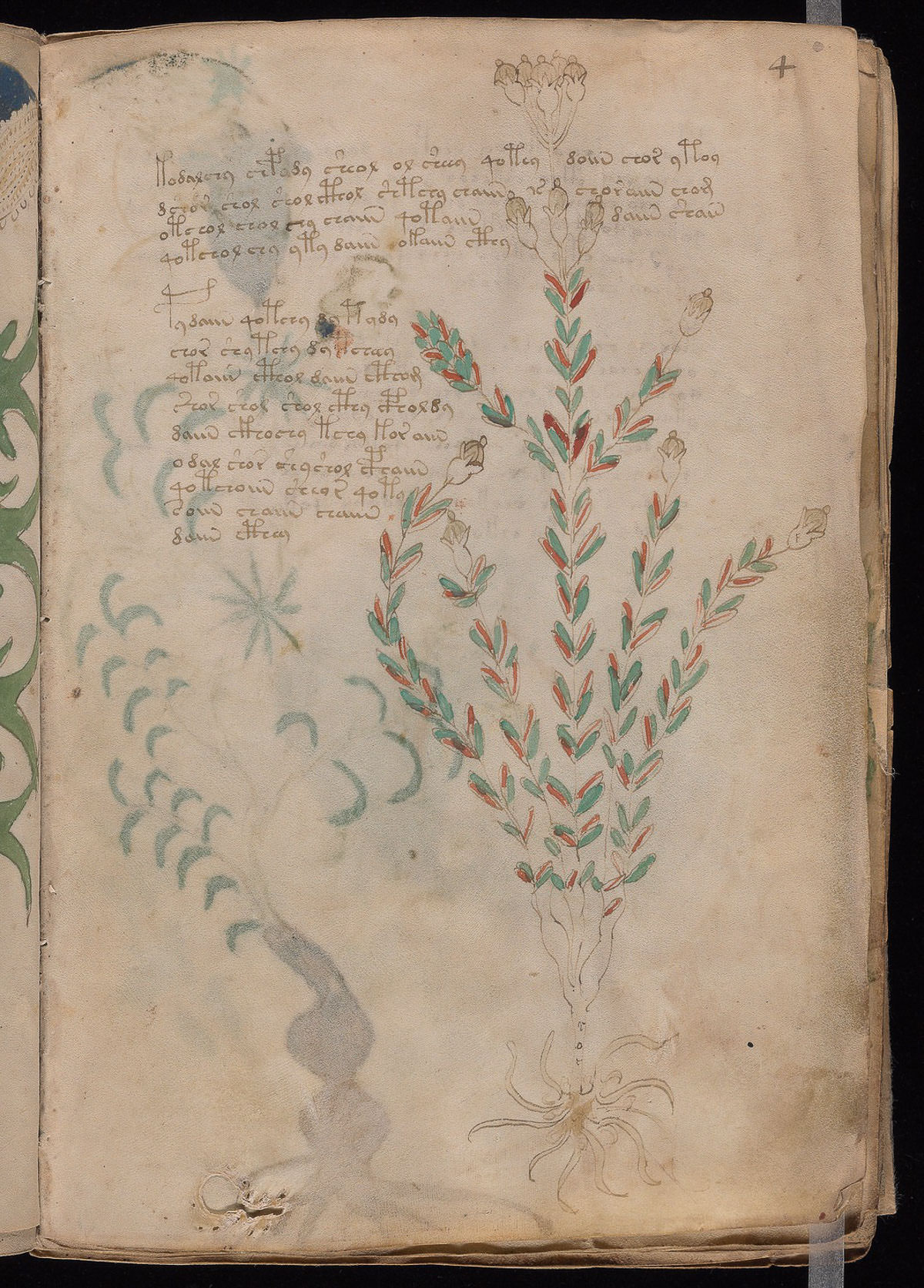
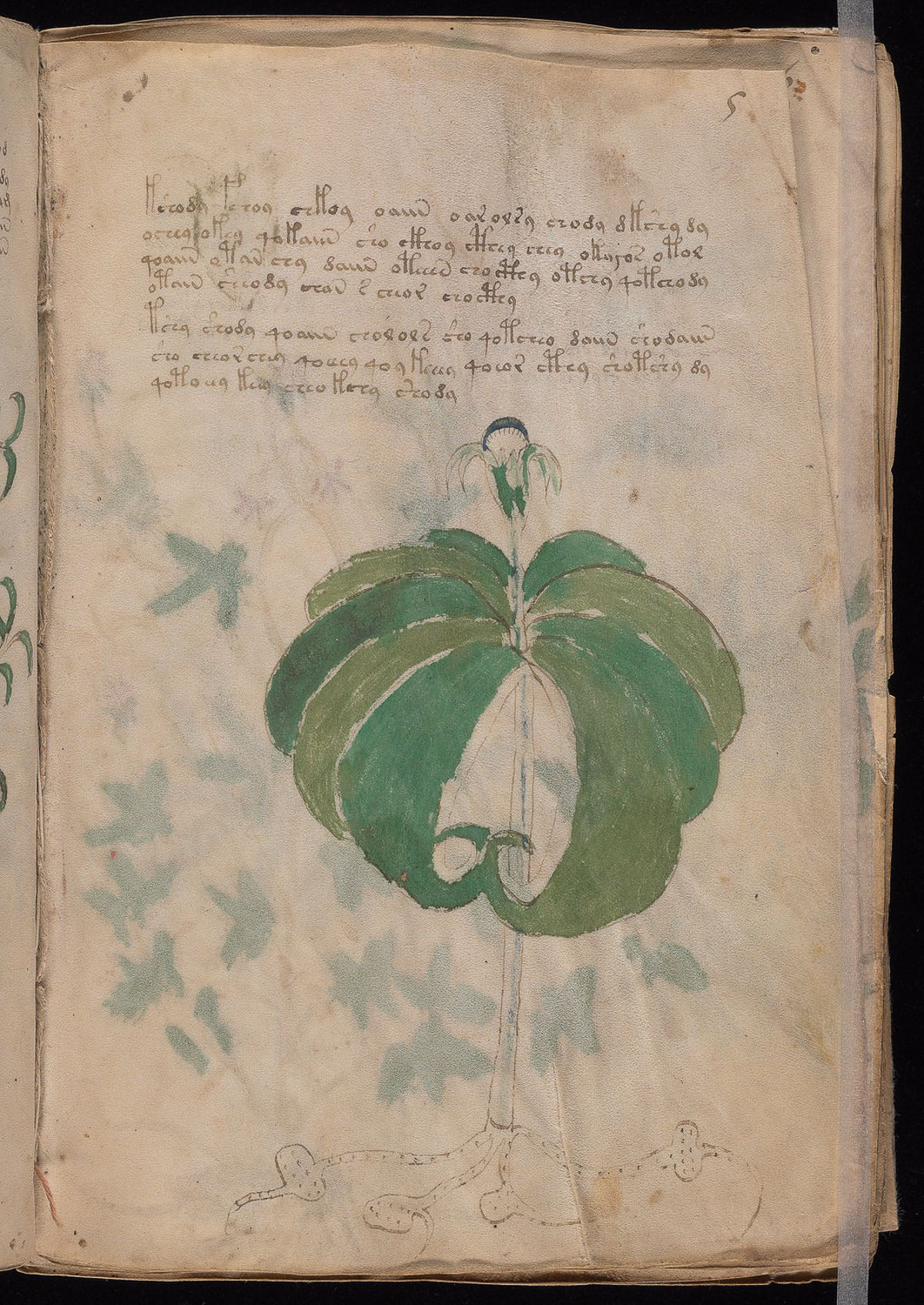
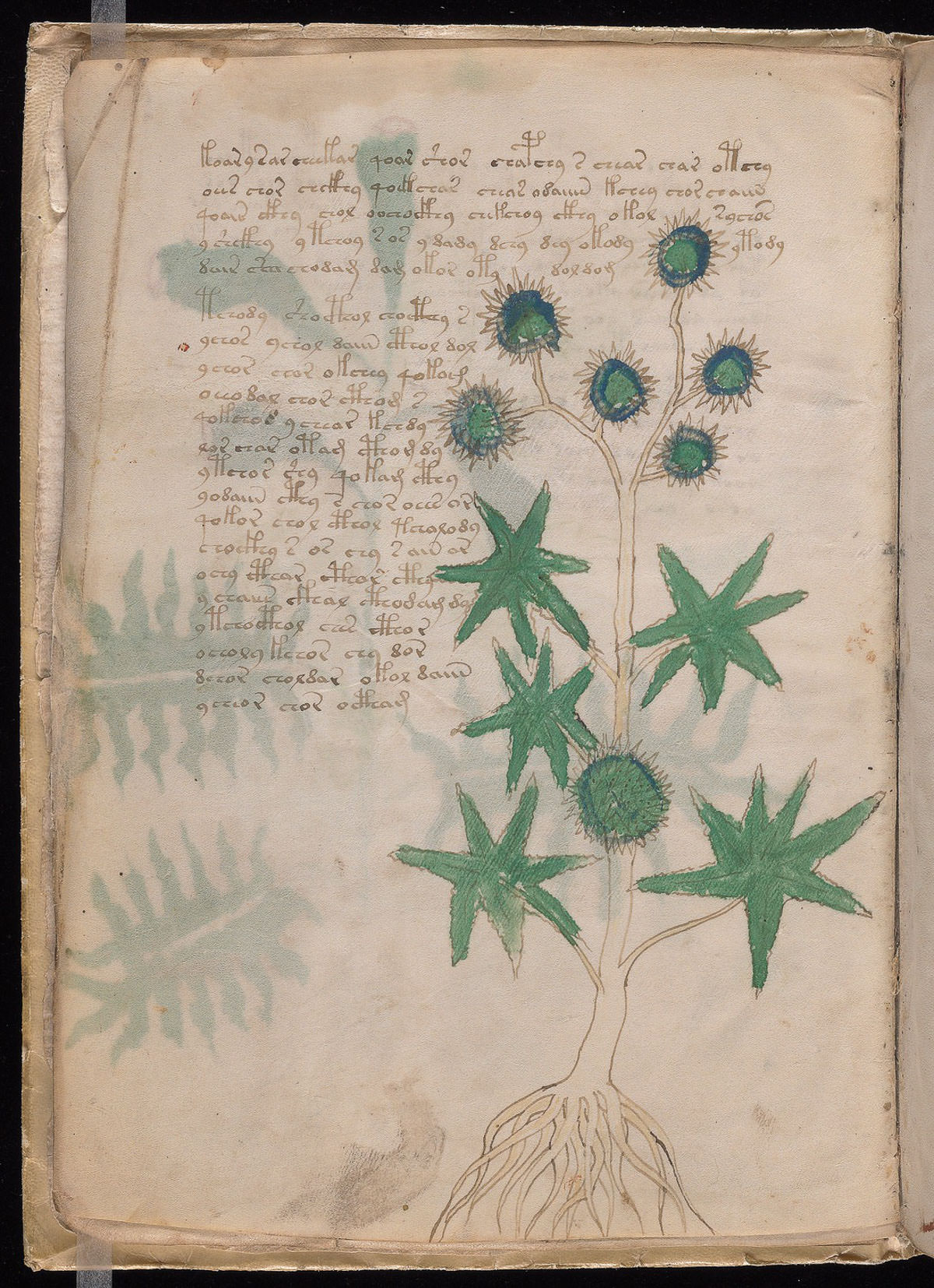
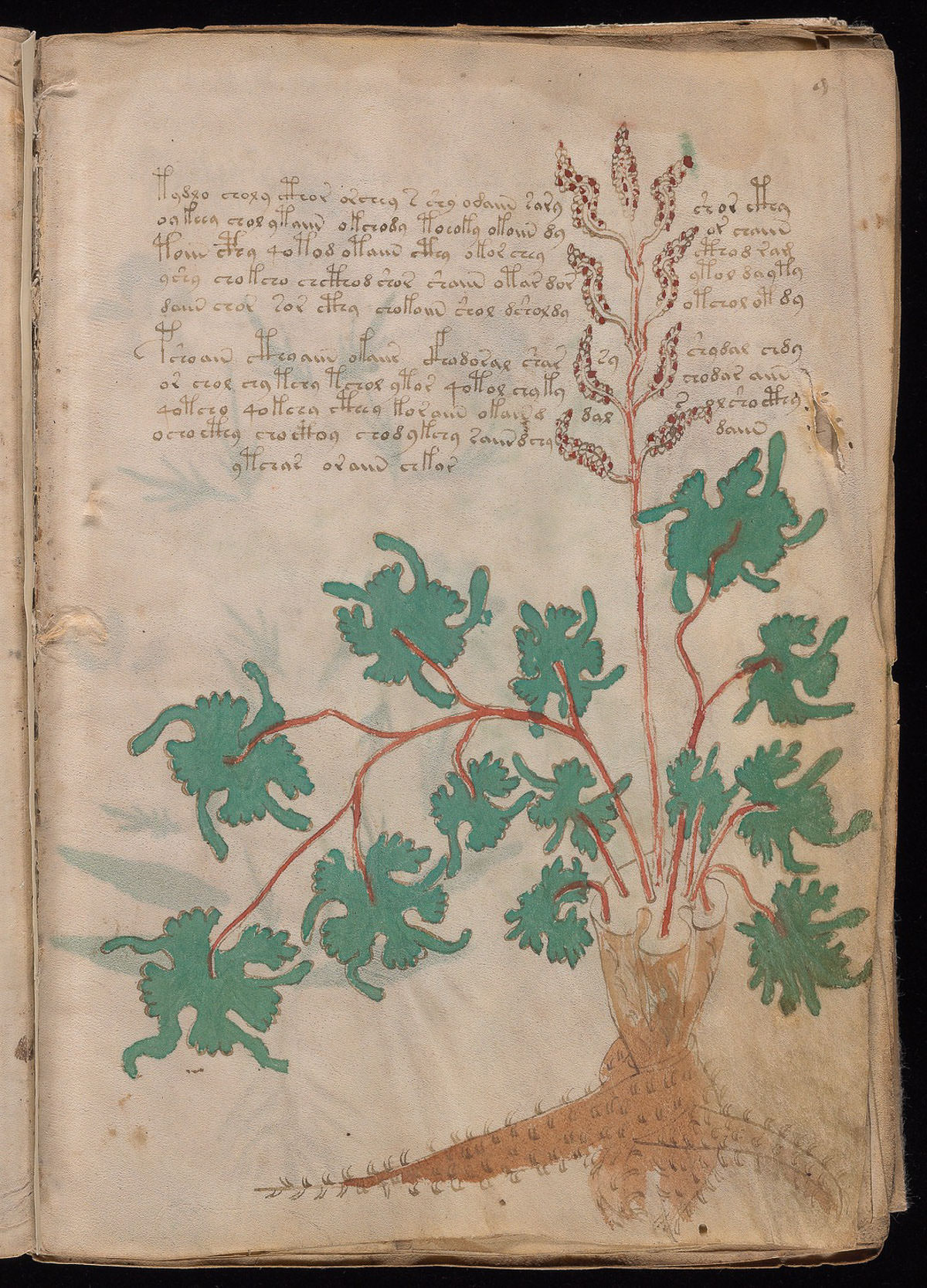
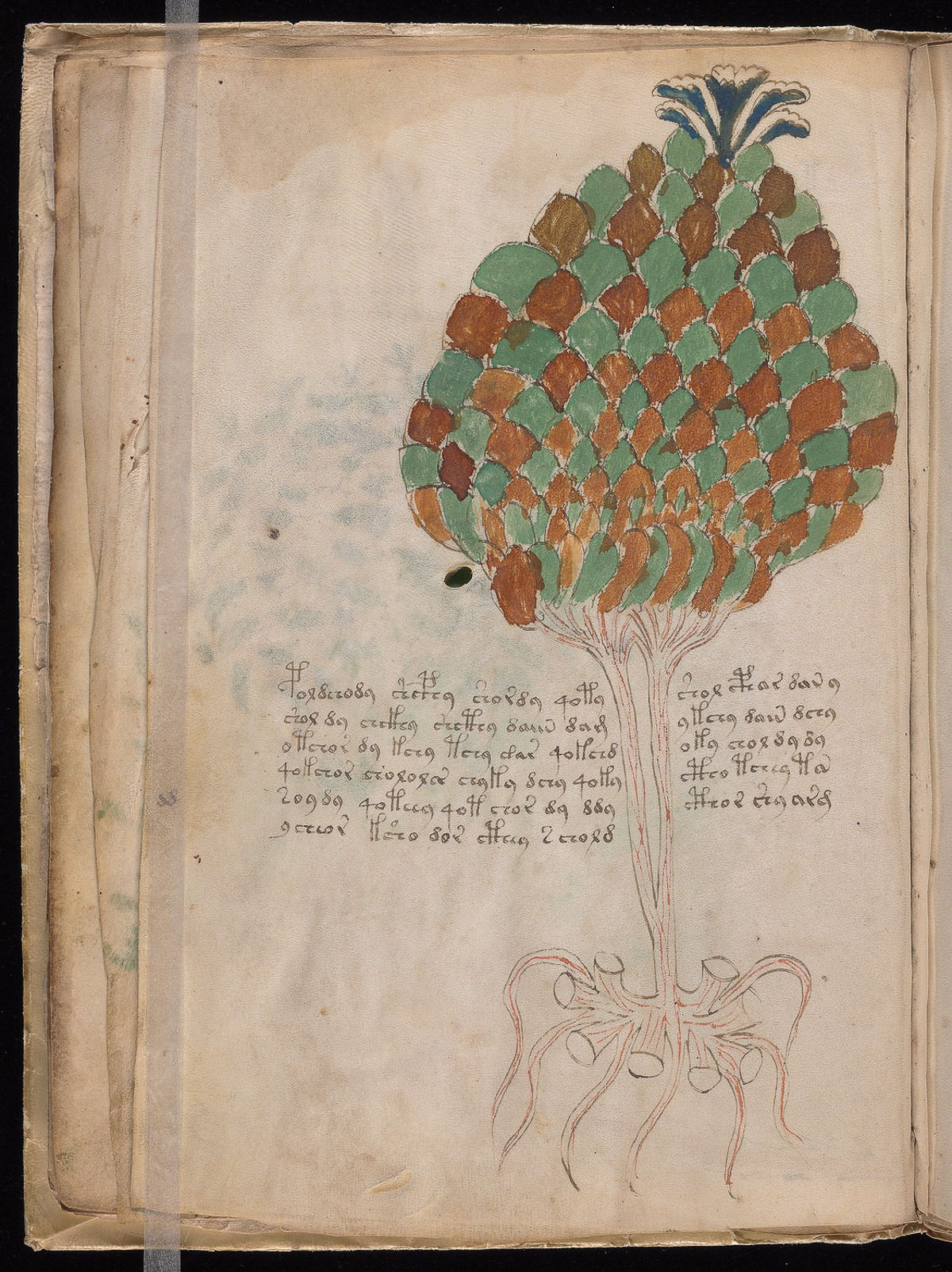
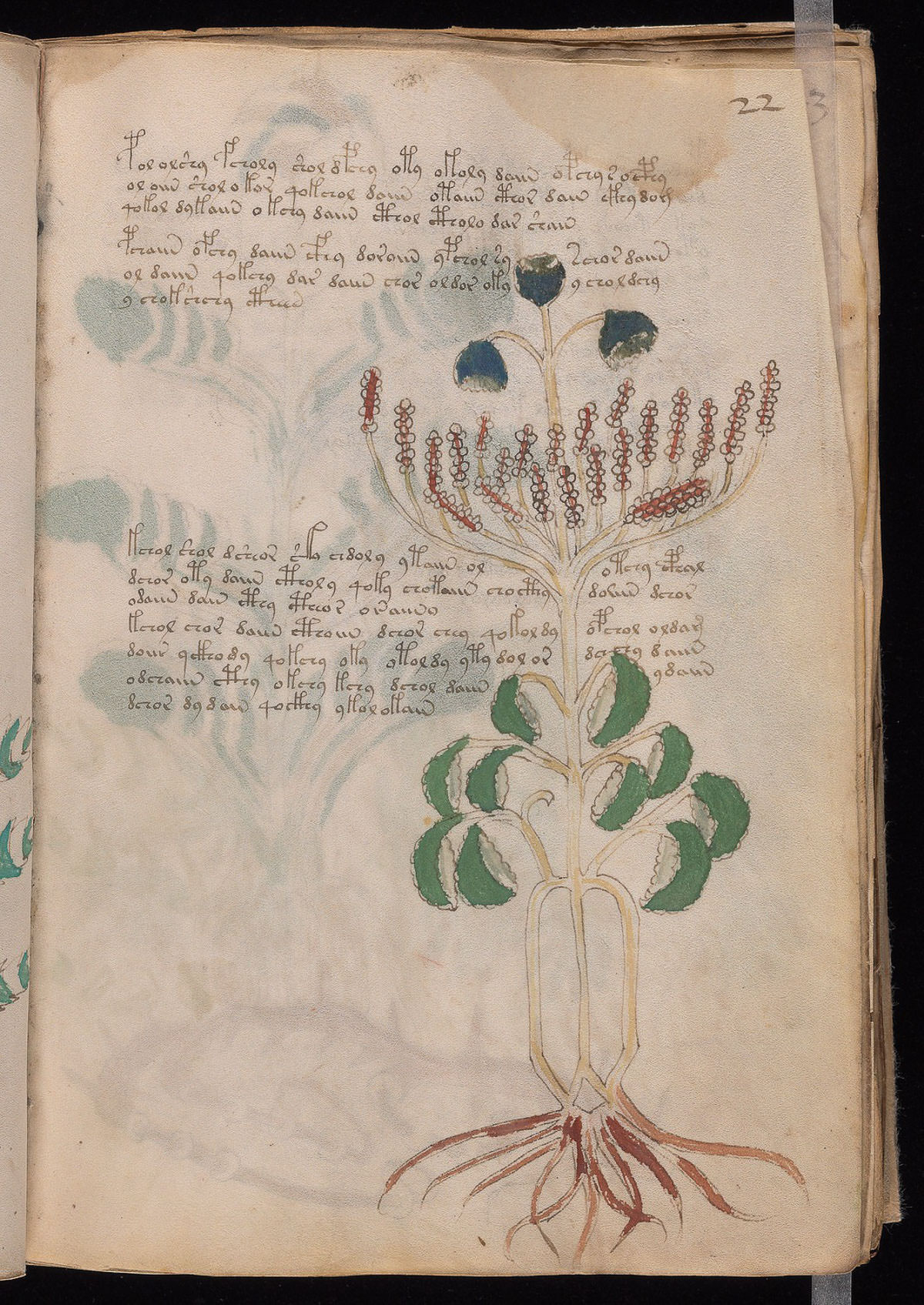
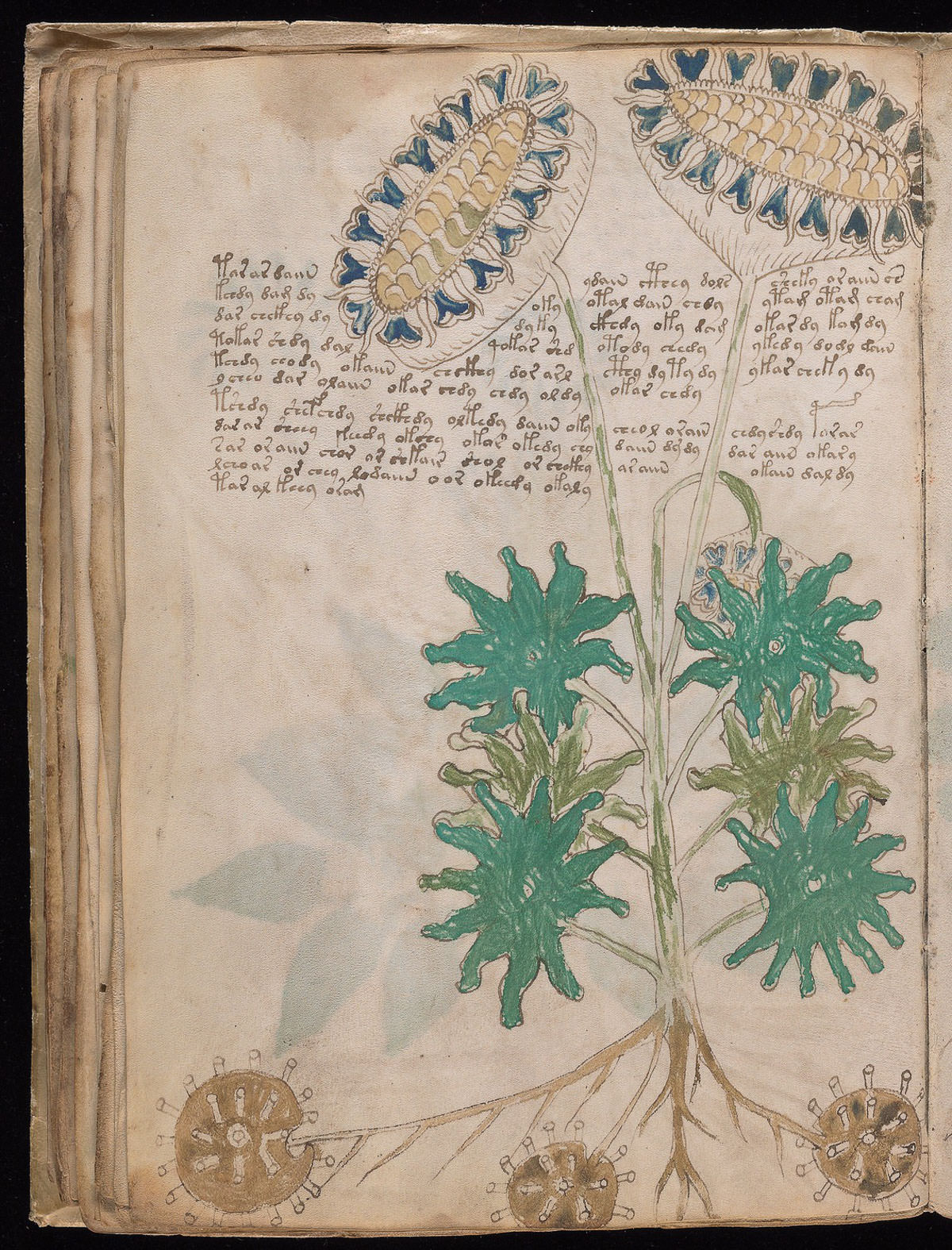
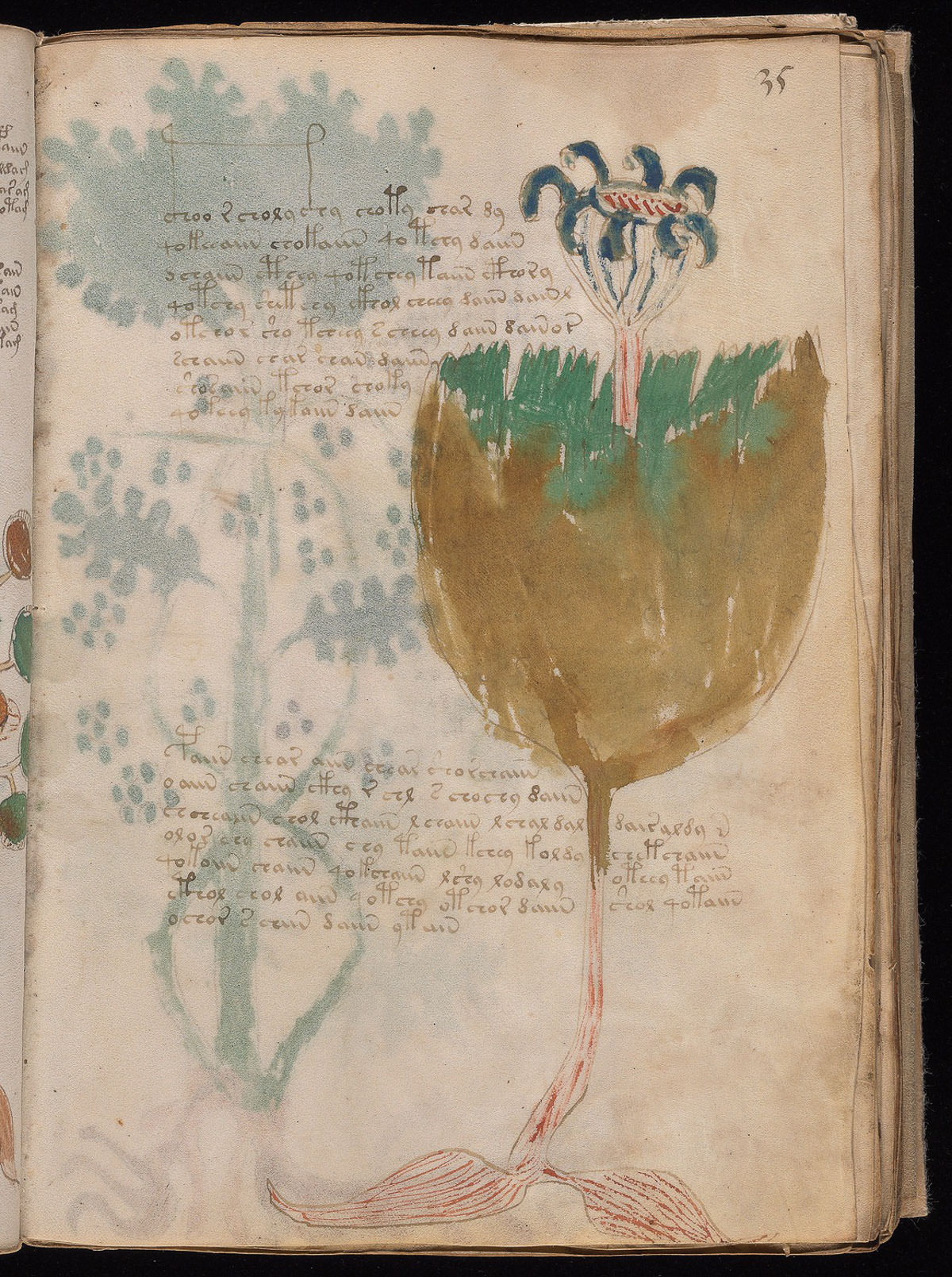
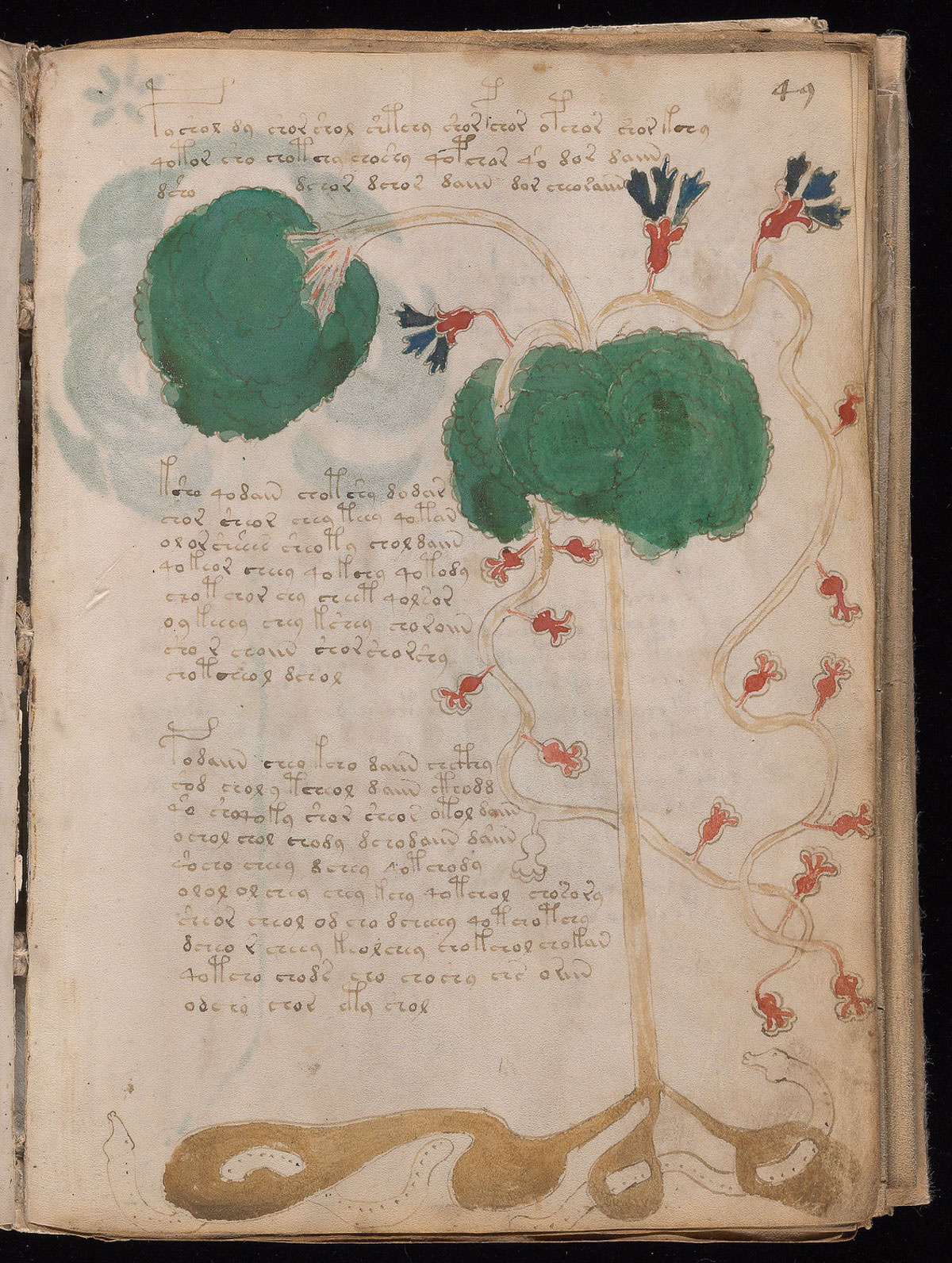
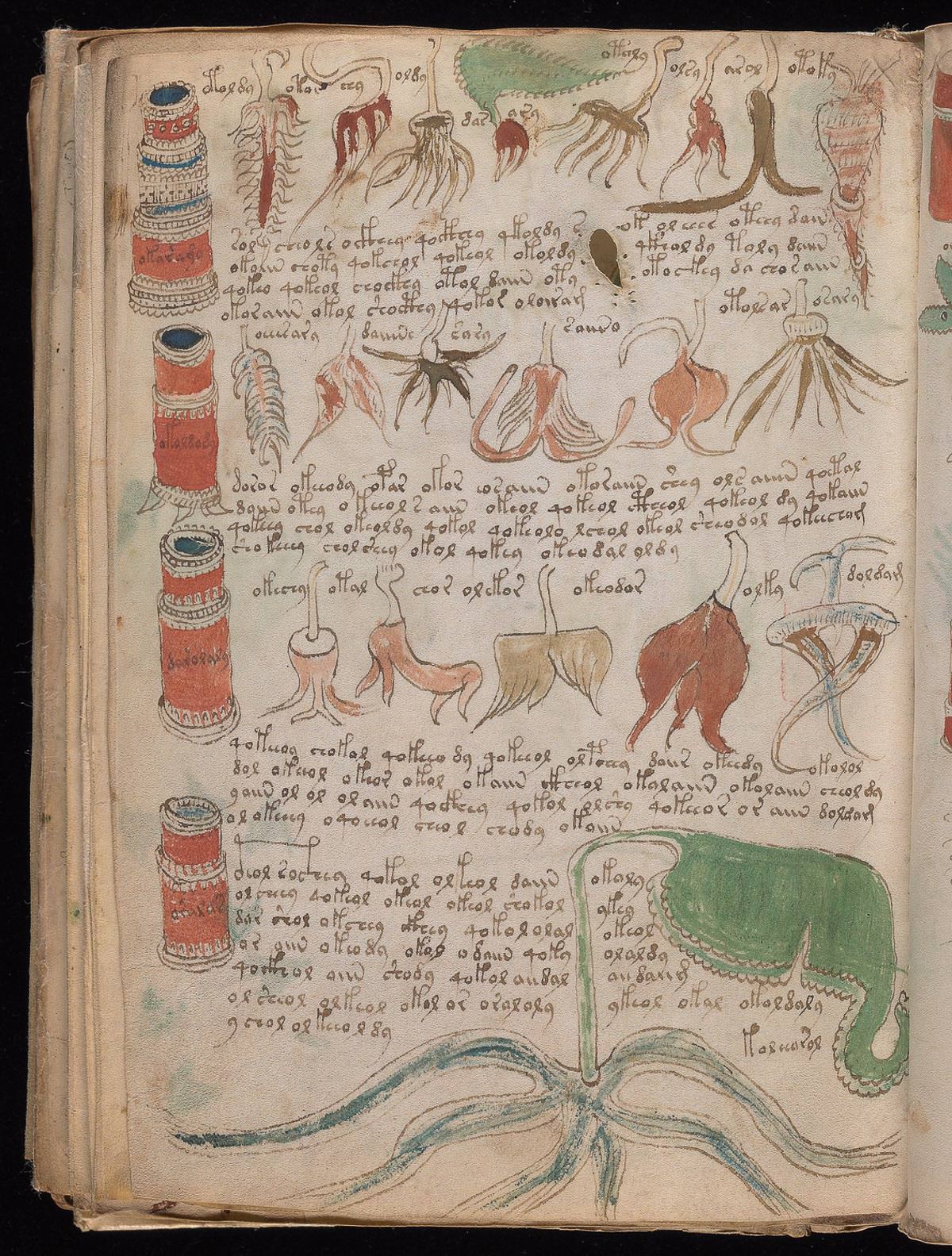
features illustrations of what seem like fantastical plants (or are
they?) on many of its pages. Experts have tried to unravel the mystery
of this script for centuries without success. Thousands of
cryptographers, including Allied code breakers during both world
wars, tried and failed. It is believed that the number of characters
used may be anywhere from 15 to 40.
Click on the photos to see them in FULL SIZE
|

|
|
Image: Beinecke Rare Book & Manuscript Library/Yale University
Faced with repeated failure,
some have hypothesized that the manual just cannot be deciphered, and
is actually a very complex hoax. However, many point out that the text
obeys numerous laws of real language, including Zipf's Law, a
statistical rule on the frequency of words used in a natural language,
where the most common word appears twice as often as the next most
common word, etc.
|
| |

|
|
Image: Beinecke Rare Book & Manuscript Library/Yale University
According to the illustrations, the manuscript can be roughly divided into chapters:
|
| |

|
|
Image: Beinecke Rare Book & Manuscript Library/Yale University
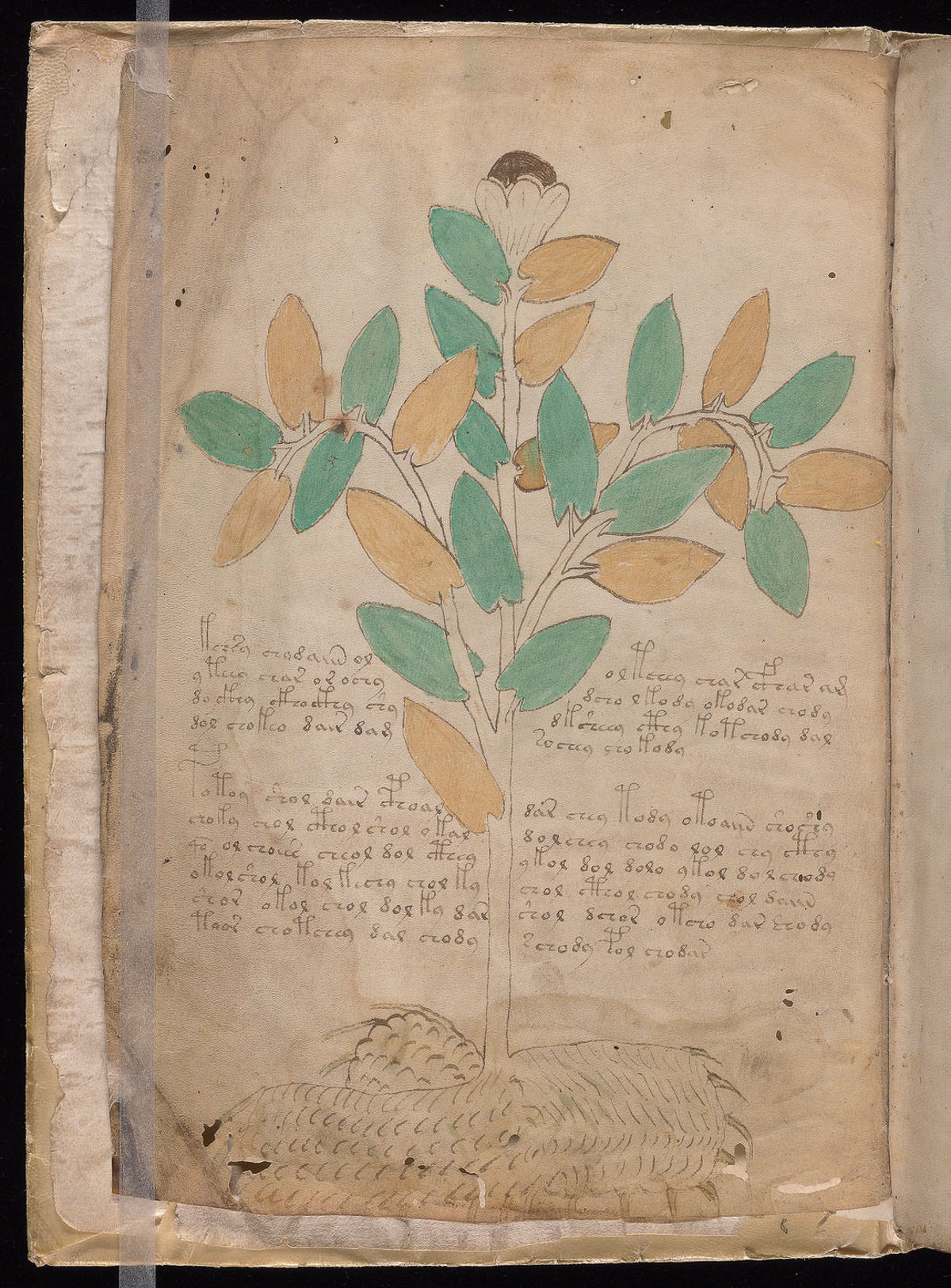
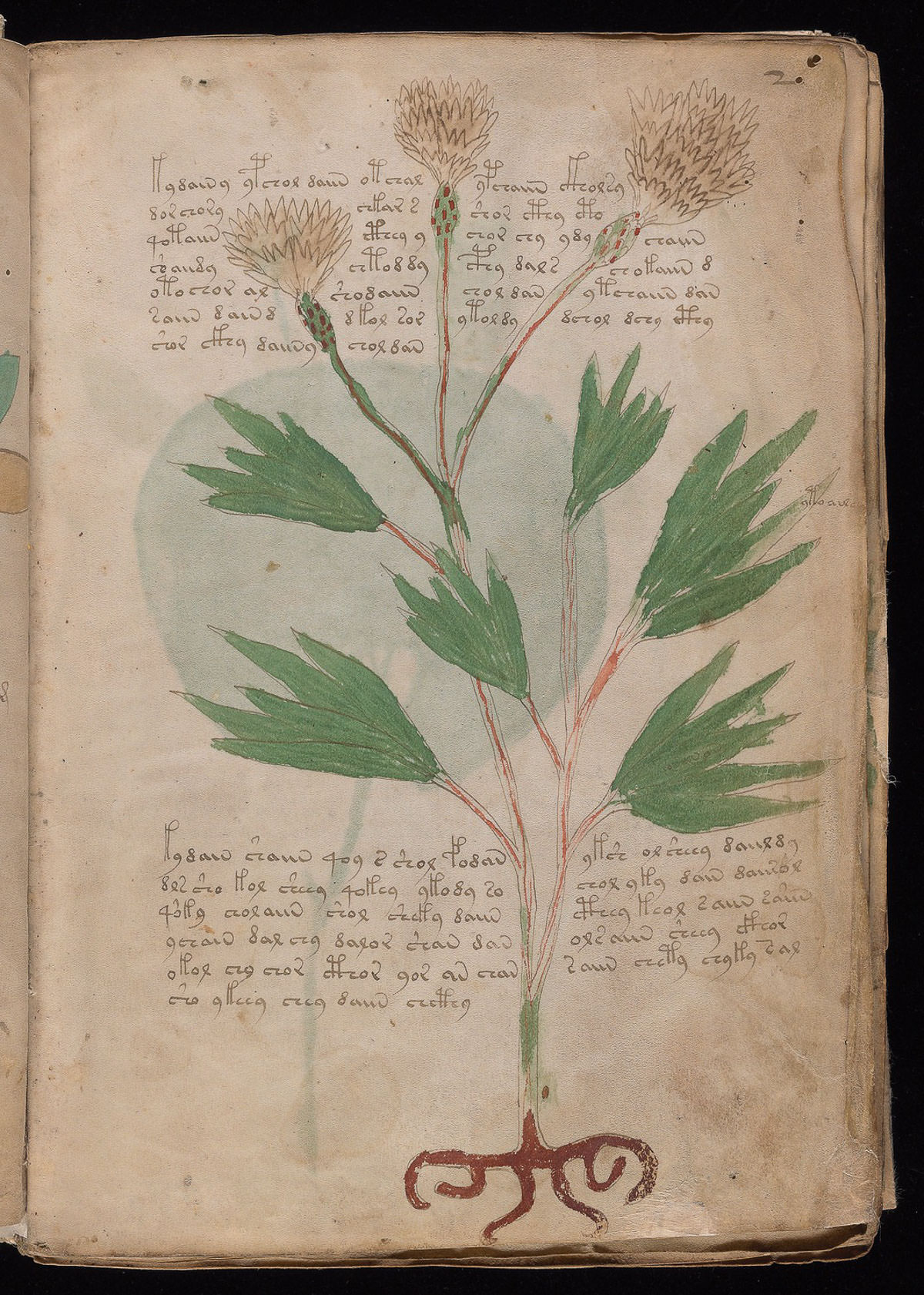
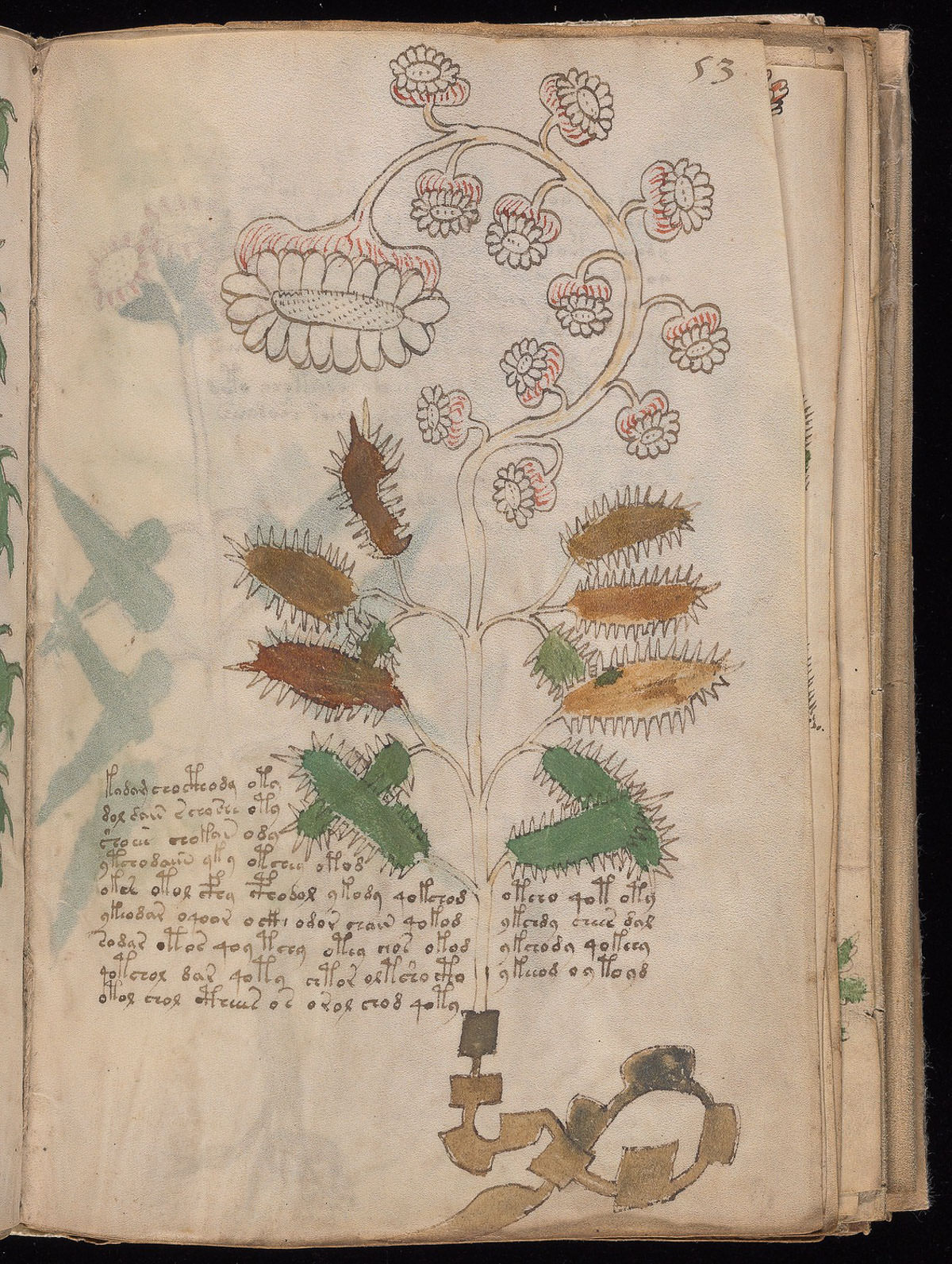
~ The herbal chapter shows unknown plants with text surrounding the drawings.
|
| |

|
| Image: Beinecke Rare Book & Manuscript Library/Yale University |
| |

|
| Image: Beinecke Rare Book & Manuscript Library/Yale University |
| |

|
| Image: Beinecke Rare Book & Manuscript Library/Yale University |
| |

|
| Image: Beinecke Rare Book & Manuscript Library/Yale University |
| |

|
| Image: Beinecke Rare Book & Manuscript Library/Yale University |
| |

|
| Image: Beinecke Rare Book & Manuscript Library/Yale University |
| |
 |
| Image: Beinecke Rare Book & Manuscript Library/Yale University |
| |

|
| Image: Beinecke Rare Book & Manuscript Library/Yale University |
| |

|
| Image: Beinecke Rare Book & Manuscript Library/Yale University |
|
- Advertisement -
|

|
| Image: Beinecke Rare Book & Manuscript Library/Yale University |
| |

|
| Image: Beinecke Rare Book & Manuscript Library/Yale University |
| |

|
| Image: Beinecke Rare Book & Manuscript Library/Yale University |
| |

|
| Image: Beinecke Rare Book & Manuscript Library/Yale University |
| |

|
Image: Beinecke Rare Book & Manuscript Library/Yale University
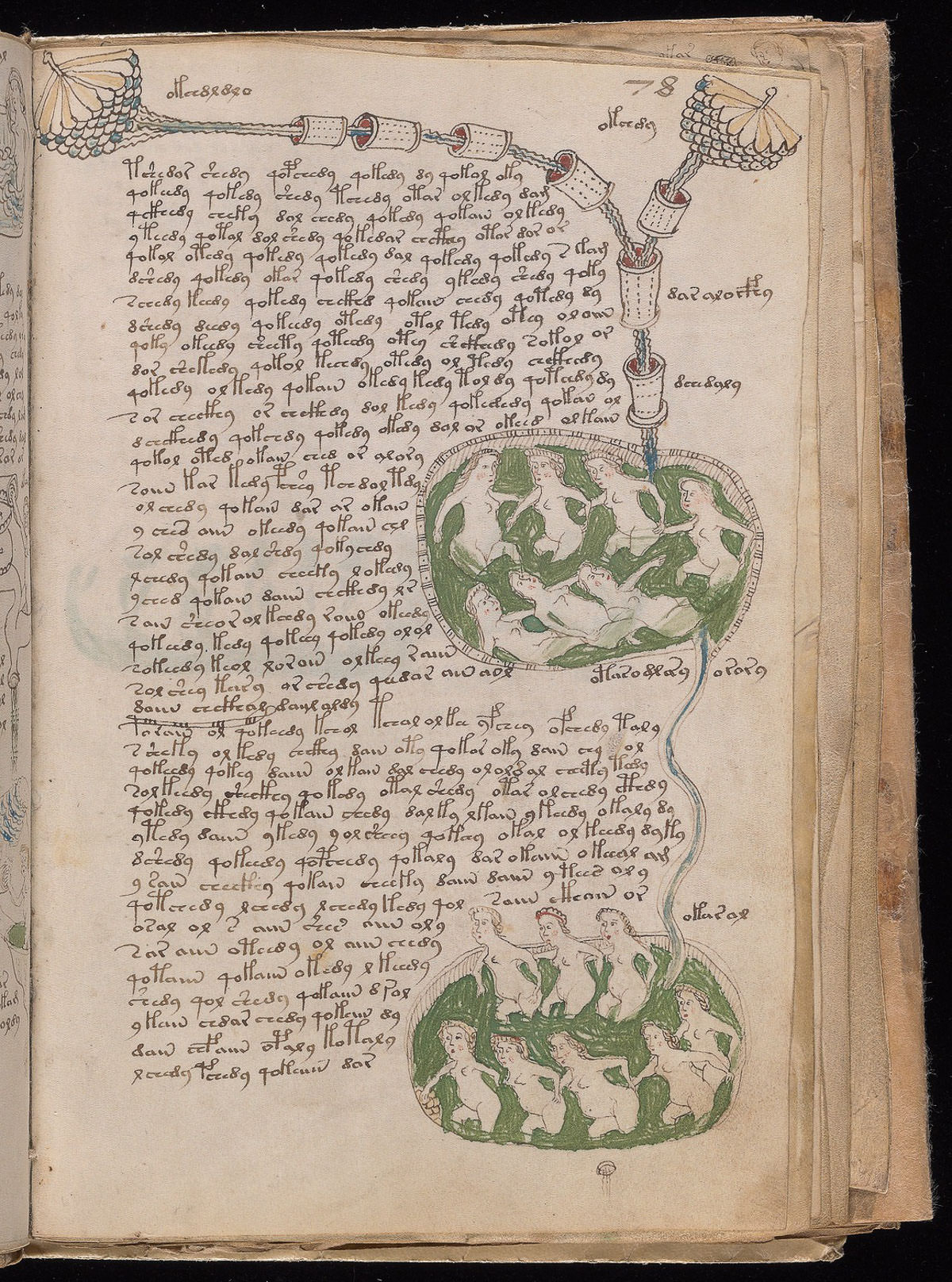
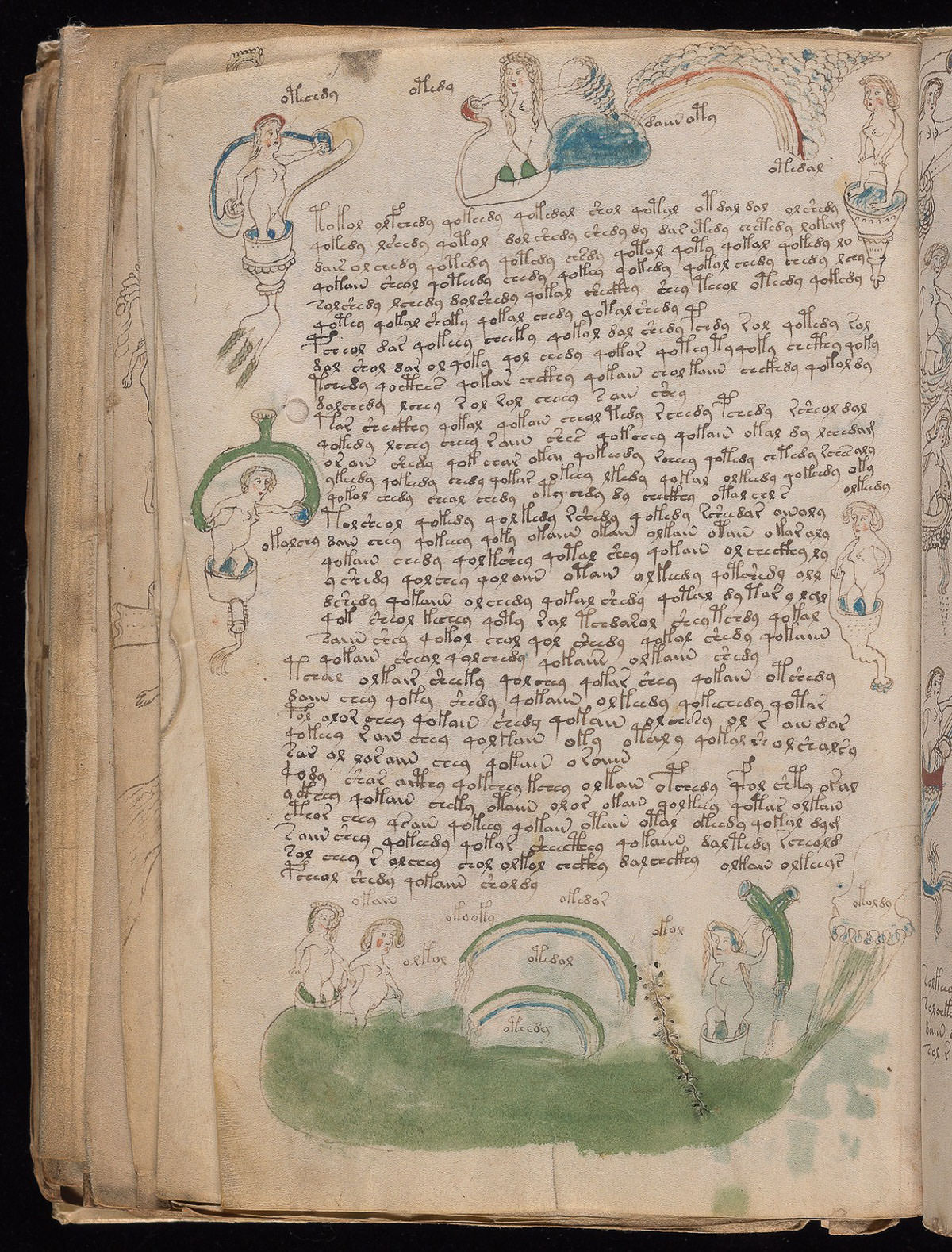
~ The biological chapter contains a lot of text together with depictions of nude women in pools connected by pipes.
|
|
|

|
| Image: Beinecke Rare Book & Manuscript Library/Yale University |
| |

|
| Image: Beinecke Rare Book & Manuscript Library/Yale University |
| |

|
|
Image: Beinecke Rare Book & Manuscript Library/Yale University
~ The pharmaceutical chapter shows specific parts of plants with labels, presumably to be used for medicinal purposes.
|
| |

|
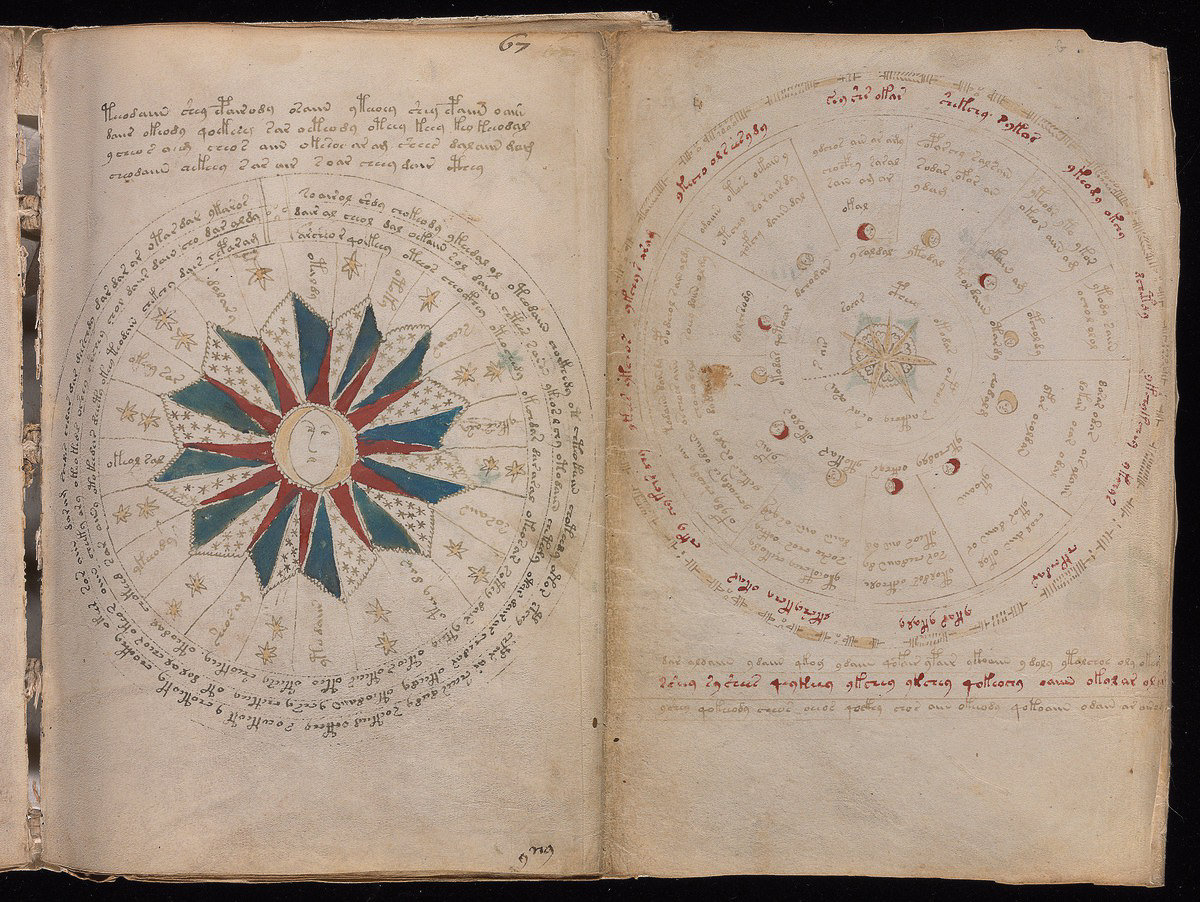
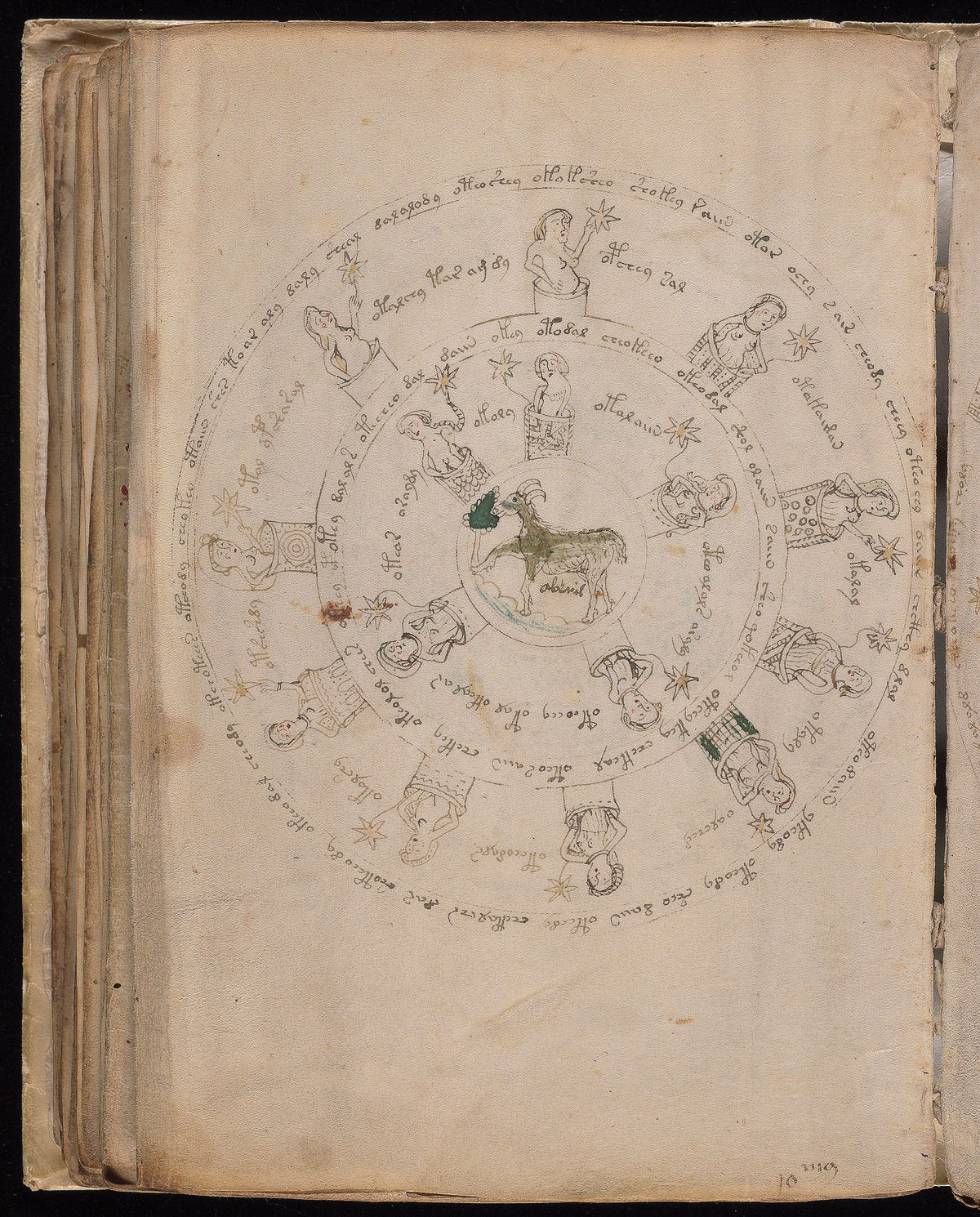
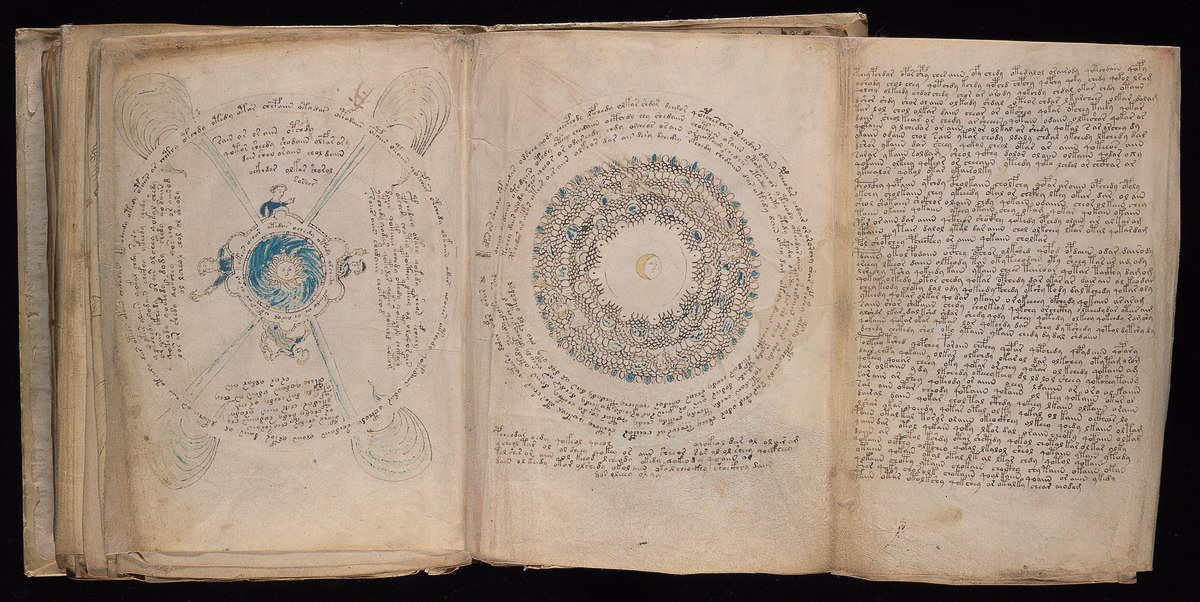
~ The astronomical chapter shows celestial diagrams, including common zodiac symbols.
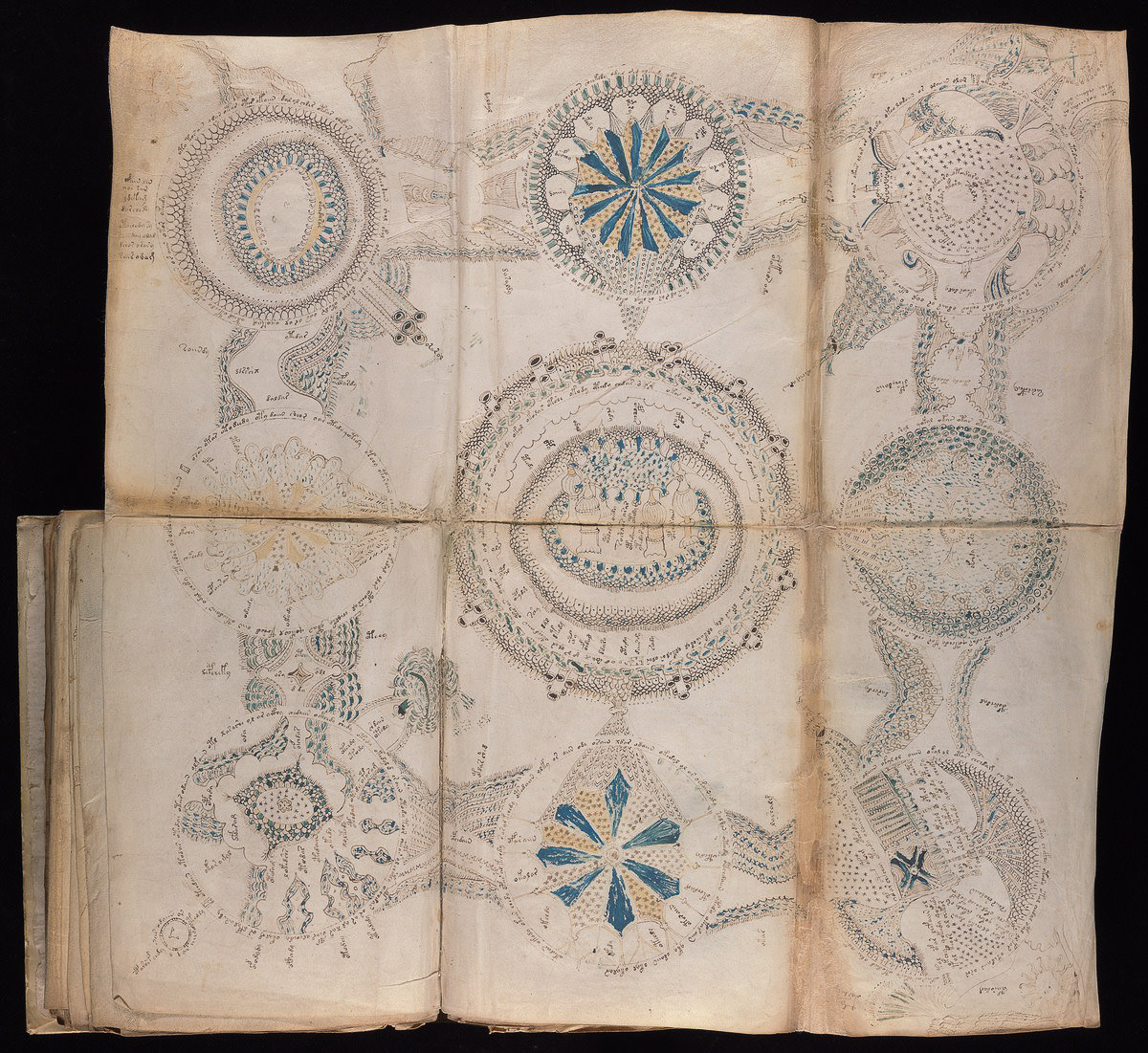
~ The cosmological chapter shows esoteric circular diagrams. Some of these fold out. |
| |

|
| Image: Beinecke Rare Book & Manuscript Library/Yale University |
| |

|
| Image: Beinecke Rare Book & Manuscript Library/Yale University |
| Experts aren't any closer to
deciphering the manuscript's mysteries today than they were three
centuries ago. What do YOU think this book is really about? |