Wes
Anderson is a director like no other – he creates dream-like worlds
full of color and life, and his style of work is embodied perfectly in
his 2007 movie, The Darjeeling Limited, which is about three brothers traveling across India by train.
|
|
|
While
there is no train with that actual name in real life, fans of the movie
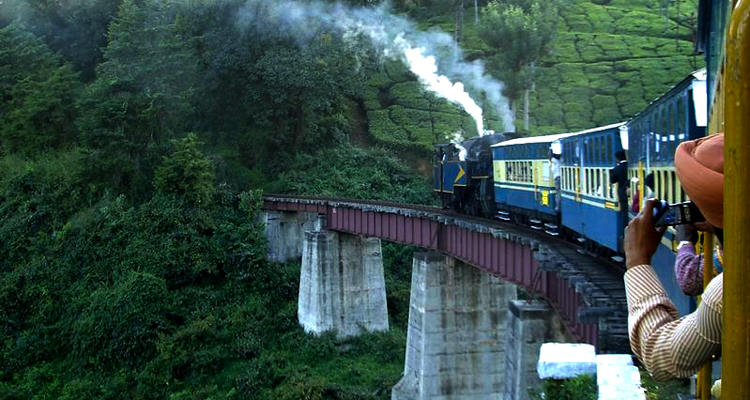
will be delighted to hear that there’s a real train called the
“Darjeeling Himalayan Railway”, which is close enough to the fantastical
movie version, and every bit as charming.
|
|
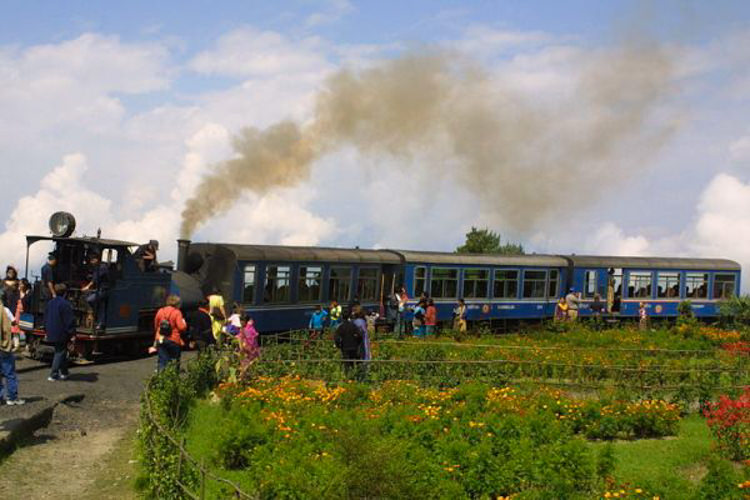
The
train runs along a 53-mile-long railway track, which links Siliguri and
Darjeeling via West Bengal. Darjeeling was a major station at the
center of a flourishing tea-growing district during the late 19th
Century. While the area was only previously accessible via horse-drawn
cart, the booming tea trade necessitated the creation of a railway, and
that’s how the Darjeeling Himalayan Railway was born. Construction was
completed in 1881.
|
|
|
Less
than 30 years after its completion, the railway carried 174,000
passengers and 52,000 tons of goods annually. The route is now one of
India’s most famous mountain railway lines, and it was the very first to
be recognized as a UNESCO World Heritage Site, being awarded the status
back in 1999.
|
|
|
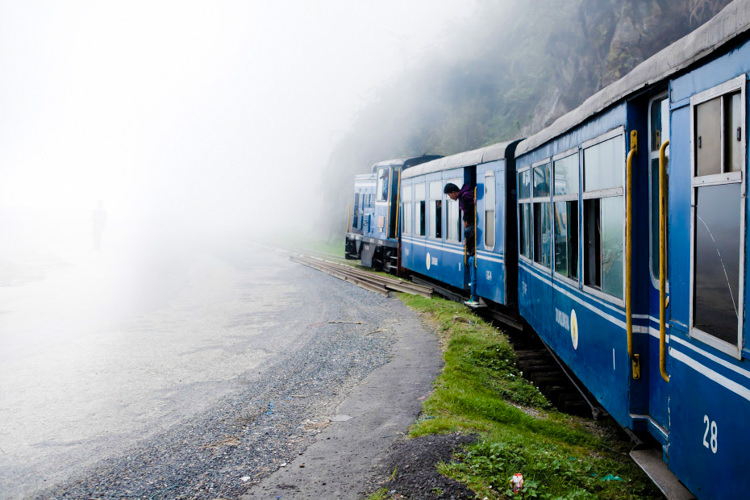
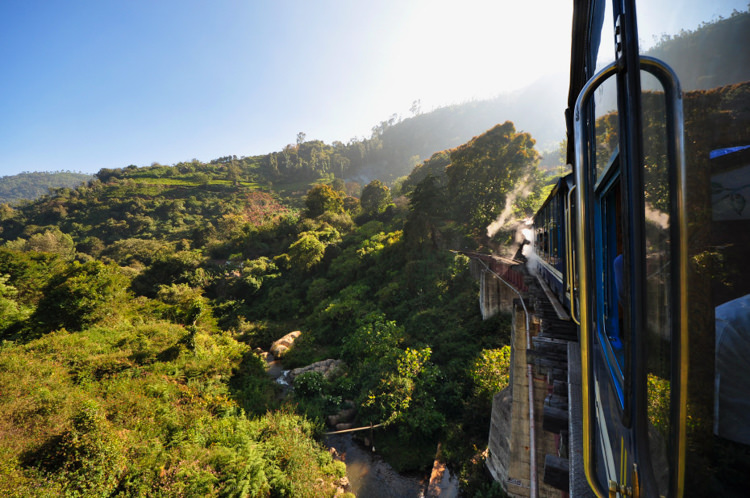
The
train’s Disney-esque look has given rise to numerous nicknames, such as
the “train to the clouds”, and “toy train”. Furthermore, its route
along the railway line is truly unique, rising through an elevation
change of nearly 7,000ft. When you get to Darjeeling along the railway
line, you can go even further should you choose – to India’s highest
railway station in a vintage B-class steam locomotive.
|

|
|
|
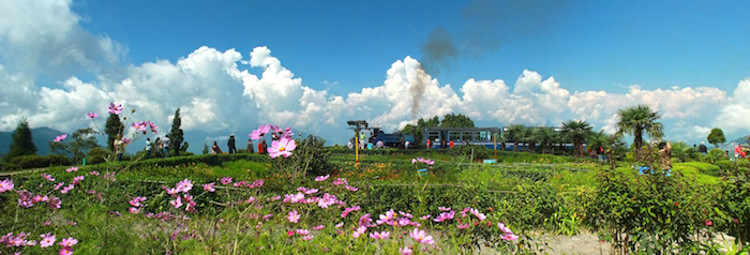
An
earthquake, which occurred in 1897, caused some damage to the railway
line, and this was the catalyst for various improvements to be made,
such as that addition of bogie-equipped carriages in place of basic
four-wheel train cars.
|
|
|
In
the present day, you can ride in one of the train’s two first-class
carriages to make the mountainous trip as comfortable as possible. While
the full journey takes about eight hours, the most picturesque part
runs between Darjeeling and Ghum, and takes just half an hour.
|
|
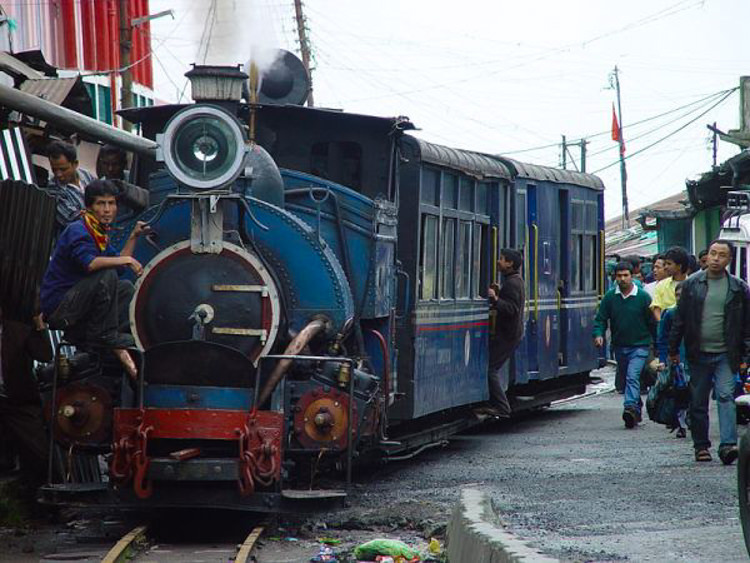
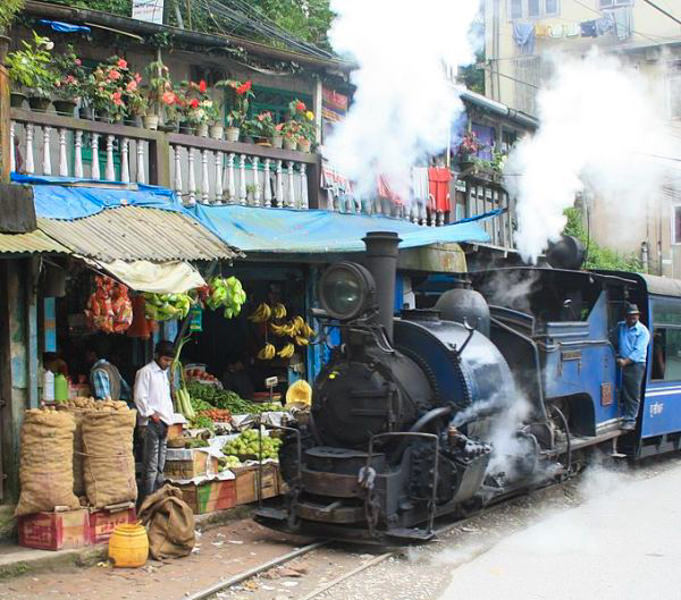
The
last leg of the trip is also magical, bending and twisting through the
city with proximity to its people and their livelihoods that has to be
seen to be believed.
Further
adding to the train and railway’s charm is a train carriage named after
author Mark Twain, who spent time traveling through India during the
1890s. His trip is documented in his book, Following the Equator.
|
 |
|
|
“In
other countries a long wait at a train station is a dull thing and
tedious, but one has no right to have that feeling in India. You have
the monster crowd of bejeweled natives, the stir, the bustle, the
confusion, the shifting splendors of the costumes–dear me, the delight
of it, the charm of it are beyond speech.”
– Mark Twain
|
|
| Image Source |
 |
Saturday, 6 February 2016
Movie Magic and Mark Twain - The Darjeeling Himalayan Line

